
Spiral wound membranes have been one of the traditional membrane filtration methods since the invention of liquid filtration membranes in the late 1950s. There have been several manufacturers globally competing in this market to cater end users like food & beverage, dairy, pharmaceutical, semiconductors and wide range of other industries that handle liquid streams in any part of their process.
As spiral membrane is now a commodity product, the key product differentiators are membrane flat sheet performance, module design, selection of components and performance of the adhesive. Quality of adhesion to the membrane and other materials of construction determines the level of product integrity and robustness. A wide variety of adhesives might be available in the market, however 2-part polyurethanes to a greater extent are preferred candidates for performing bonding operation of the membrane to the permeate carrier and to itself. Alternatively, 2-part epoxies could also be used but they are preferred for highly specialized applications such as continuous extreme pH conditions where polyurethane cannot sustain if used for extended periods.
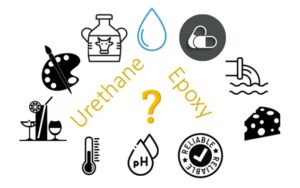 It is generally recommended that the spiral membrane application and operating conditions are fully understood before selecting the adhesive. In a broad sense, water and wastewater applications do not demand a very high performing adhesive as long it offers good mechanical bonding required during normal operation and backwash cycles as well as is stable with basic membrane cleaning chemicals. However, when it comes to adhesive selection for process streams other than water, it requires high performing adhesives that need to comply with various regulatory requirements, USDA standards based on the industry used as well as be mechanically and chemically stabile at reasonably high pH range.
Technical specifications of the adhesive as well as optimum performance of the urethane or epoxy system should be discussed and better understood from the adhesive manufacturer based on the environmental conditions in your membrane manufacturing facility, adhesive dispensing equipment, element manufacturing process, type of membrane used and most importantly product application. It is also to be remembered that no adhesive will have all favorable performance requirements, and so it is important to strike a balance between adhesive compatibility with filter components and adhesive performance at the end user to help select the right adhesive.
We inherently tend to place less importance on the adhesive system used thinking that what role would the adhesive play other than bonding two surfaces, but in reality, it is a critical component in a spiral membrane that not only determines the product performance but also is a key contributor for achieving high yields in manufacturing.
