Particle Characterization Technology for Liquid Filtration & Separation
Dr. Remi Trottier Full Course (4 hours, .4 CEUs) $475 AFS Members $545 Non-members About this course: Knowledge of the size […]









Dr. Remi Trottier Full Course (4 hours, .4 CEUs) $475 AFS Members $545 Non-members About this course: Knowledge of the size […]
Mr. Jim Halbleib Full Course (2 hours, .2 CEUs) $245 AFS Members $295 Non-members About this course: The Mixing 101 class […]
This course is designed for scientists and engineers as well as technical and non-technical salespeople who have the basic knowledge of filtration and separation but need to gain knowledge in the filtration of liquids using cartridge filters.
This course is designed for scientists and engineers as well as technical and non-technical salespeople who have the basic knowledge of filtration and separation but need to gain knowledge in the filtration of liquids using cartridge filters.
The suite of crossflow, pressure-driven membrane separation technologies are arguably the most versatile technologies for separation of solids (suspended and dissolved) from water. These technologies include microfiltration, ultrafiltration, nanofiltration and reverse osmosis.
Whereas the total quantity of water on this planet is more or less fixed, its quality is steadily deteriorating because we have been contaminating it for thousands of years, with little concern for the consequences. Drinking water regulations continue to raise quality standards, and industrial and commercial activities require higher quality water in many applications.
The natural process of biodegradation has been utilized throughout human history for many purposes, from treating sewage to generating certain tasty beverages, and many things in between.
The primary cause of crossflow, pressure-driven membrane failure, is fouling. There are four distinct causes of fouling; however, they all result in significant reduction in permeate passage through the membrane.
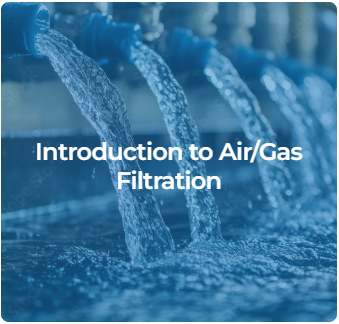
This introductory course covers the whole spectrum of solid/liquid separation and how they are applied. The course will start with a basic understanding of liquid filtration, the role of liquid and particle properties, key principles, and major categories of liquid filtration and separation equipment and their applications.
This introductory course covers the whole spectrum of solid/liquid separation and how they are applied. The course will start with a basic understanding of liquid filtration, the role of liquid and particle properties, key principles, and major categories of liquid filtration and separation equipment and their applications.